
Skip to content
CMX1
  • CMX1-GFSI-Food-Safety-Field-Guide-thb

    Food Safety Field Guide

    A roadmap to safer operations, from supplier to store.

    Get the guide
    devices-light

    Platform

    • The X1 platform
    • The X1 mobile app
    • Reporting & analytics
    lightbulb-light

    Products

    • Standards & policies
    • Audits, inspections & checklists
    • Document management
    • Partner onboarding & management
    • Recall management
    • Incident management
    • Product specifications management
    • Product monitoring & testing
    • Support
    • Request a Demo ›
  • cane-image-mm-2

    Raising Cane's client story 

    Turning complex operations into consistent performance with CMX1.

    Read more
    list-checks-light

    Popular Use Cases

    • Audit management
    • Second-party auditing
    • GFSI standards & compliance
    • Restaurant standards & compliance
    • Hospitality standards & compliance
    • Partner & supplier management
    • Incident & Recall management
    • Product Quality management
    storefront-light

    Industries

    • Grocery
    • Hospitality
    • Manufacturing
    • Restaurant
    • Transportation
    • Support
    • Request a Demo ›
  • OpEx_guide_banner-thb

    Operational Excellence Guide

    Turn operations into competitive advantage with digital best practices.

    Get the guide
    notepad-light

    Learning

    • Blogs
    • Events & webinars
    • Guides & reports
    • ROI calculator
    • All resources
    user-circle-light

    Customers

    • Customer stories
    • Customer support portal
    • Support
    • Request a Demo ›
  • blog_7_principles_of_HACCP

    7 Principles of HACCP

    A step-by-step path from HACCP theory to real-world food safety control.

    Read more
    handshake-light

    Our Company

    • About us
    • Leadership
    • Careers
    • News
    • Contact us
    • Support
    • Request a Demo ›
    • devices-light Platform
      • The X1 platform
      • The X1 mobile app
      • Reporting & insights
      lightbulb-light Products
      • Standards & policies
      • Audits, inspections, & checklists
      • Document management
      • Partner onboarding & management
      • Recall management
      • Incident management
      • Product specifications management
      • Product monitoring & testing
    • list-checks-light Popular Use Cases
      • Audit management
      • Second-party auditing
      • GFSI standards & compliance
      • Restaurant standards & compliance
      • Hospitality standards & compliance
      • Partner & Supplier management
      • Incident & Recall management
      • Product Quality management
      storefront-light Industries
      • Grocery
      • Hospitality
      • Manufacturing
      • Restaurant
      • Transportation
    • notepad-light Learning
      • Blogs
      • Events & webinars
      • Guides & reports
      • ROI calculator
      • All resources
      user-circle-light Customers
      • Customer stories
      • Customer support portal
      • About us
      • Leadership
      • Careers
      • News
      • Contact us
    Support Request Demo
      Support
      Request demo

      Blog

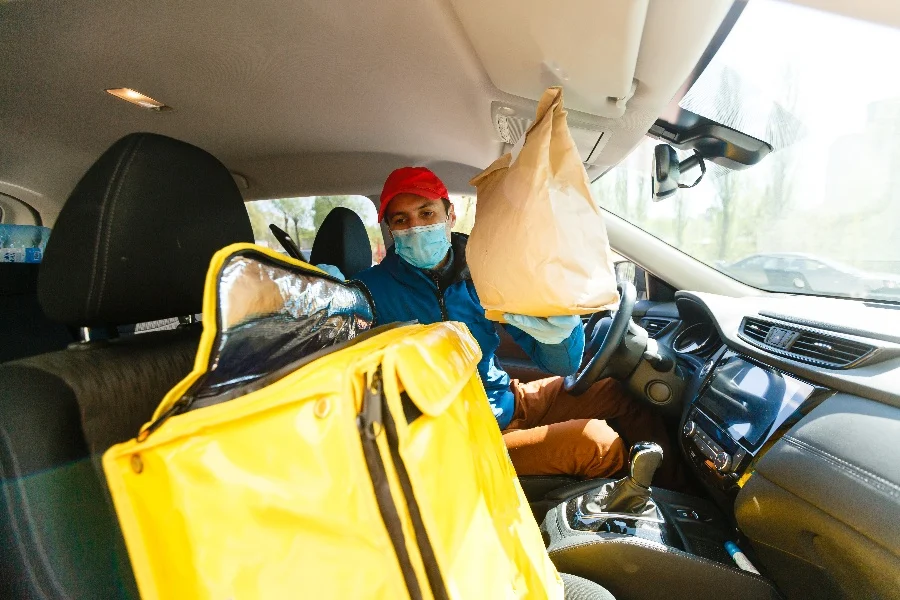
      How to maintain food safety if you’re using a 3rd party delivery service

      What can you, as a restaurant, grocery chain, or retail food brand, do to ensure your food is safely delivered when using 3rd party food delivery services?

      We’re at the final article of our Food Safety and Delivery series. We’ve answered the question to Who’s Responsible for Food Safety? And we also showed you how Third-Party Delivery Services are keeping food safe (or not). Now we want to dive into the next (and most important) question, “What can you, as a restaurant, grocery chain, or retail food service, do to ensure your food is safely delivered?”


      Why should you be concerned?

      While French Fries became the number one food item ordered through UberEats, it’s also interesting to note that nearly a third of delivery drivers have admitted to eating fries from an order they’re delivering! And more than half of these drivers admitted that they were ‘tempted’ to do so. This is of course only a confirmation of what many customers have suspected for a long time. While drivers might think pinching some food from a delivery is no big deal, it’s actually a major risk when you consider the potential for contamination. Essentially it nullifies the food safety procedures you put in place in your own establishment, especially if they’re not adhered to when the food goes out your door. Therefore, it’s critical to protect these ready-to-eat foods from being tampered with and from contamination in order to protect your brand’s reputation and ensure your customer’s safety.


      What are you doing to keep food safe?

      The arrival of COVID-19 has created an ideal environment for food safety awareness. Whereas previously it might have been considered a neat extra for food delivery, it has become a necessity. Customers now expect food safety (cleanliness, and sanitation) to be a priority. Fortunately, there are a few things you can do to make sure that the food you prepare is safely delivered to your customer. Implementing a “delivery HACCP” will help you identify and mitigate the major food safety risks that may occur during the transportation, delivery, and handling of your food for your customers. As a retail food establishment, you’re probably already familiar with all the regulatory requirements pertaining to food handling. But there are a few more tips to extend this safety to food delivery.


      1. Consider a separate menu for food delivery

      It’s no secret that some foods travel better than others. So you might want to consider creating a separate menu that’s better suited for delivery. Choose dishes with stable ingredients that will travel well without breaking or getting soggy. Think about where the dish will ‘wait’ for the driver. Can it be left on the counter, or should it be refrigerated until pick-up? Ask yourself how likely bacterial growth will be should the dish go through the temperature “danger zone”.


      2. Choose the right third-party food delivery partners

      It’s important to know who you’re working with. Do your research before partnering with a delivery company to find out how they handle food, how they approach customer service, what is their average delivery time, and whether they track their deliveries. More importantly, find out whether they meet general food safety requirements. If you’re in California, see how they are complying with the new Fair Food Act of 2020. Are they extending these same practices to all your markets?


      3. Packaging integrity

      Use containers suitable for travel, which are able to withstand heat and humidity. The container needs to maintain its integrity during transportation, otherwise physical and chemical contamination may occur. You also want to make use of compartments to keep hot foods hot and cold foods cold (e.g., keeping warm chicken separate from a cold salad). If you simply use the cheapest ones available, it could end up spoiling or contaminating the food. Also check with your food delivery company to make sure that they’re using secure, insulated boxes.


      4. Tamper-Proof Packaging

      Using proper packaging can protect your customer from potential harm caused by contamination. While many retail food establishments like Taco Bell, McDonalds, and BurgerFi have already added tamper-resistant and tamper-proof solutions to their packaging, it has now become law in the state of California. According to the Fair Food Delivery Act, all ready-to-eat foods must be protected by tamper-evident packaging. Once tamper-evident seals are removed, clear visual evidence is left behind, alerting the customer that the food was tampered with. Tamper-resistant seals only deter tampering, but won’t leave evidence of it. Tamper-proof seals are more secure in that they are often waterproof, and cannot be peeled off easily.


      5. Communicate with your customer

      Labels are a great way to communicate with your customer, as well as with the delivery driver. Include the recommended transport temperature, guidance for safe storage and preparation (i.e. “keep refrigerated”), allergen information, directions for use, and even instructions for customers to give their feedback. It’s especially important to make sure that third-party companies don’t obscure this label with their own packaging material.


      Regardless of the voluntary steps that third-party delivery companies have taken to ensure food safety, the responsibility still remains with the one making the food. The bottom line is - you cannot control how food delivery companies will handle your food, but you can put measures in place to safeguard it against potential hazards.

      Ultimately, to protect your customer (and your brand), you need to be proactive in the implementation of these measures.


      Want to learn more? Check out our previous articles in this Food Safety and Delivery series:

      • With Food Delivery, Who’s Responsible for Food Safety? 
      • Food Safety Practices of 3rd Party Delivery Services 
      Newsletter_signup_cta_global_resource_sidebar

      Related Resources

      Activity management product guide

      Read more
      With food delivery, who’s responsible for food safety?

      Read more
      Food safety practices and third party delivery services

      Read more
      Process HACCP: how to implement a restaurant HACCP plan

      Read more
      How to create effective standard operating procedures (SOPs) for your food business

      Read more
      cta-footer-photo
      You have high standards. 
      So do we. Let’s talk. 
      Get a demo
      CMX1
      Follow us on Facebook Follow us on LinkedIn Follow us on Twitter Follow us on Facebook
      • Platform
        • The X1 platform
        • The X1 mobile app
        • Reporting & insights
      • Solutions
        • Audit management
        • Second-party auditing
        • GFSI standards & compliance
        • Restaurant standards & compliance
        • Hospitality standards & compliance
        • Partner & Supplier management
        • Incident & Recall management
        • Product Quality management
      • Products
        • Standards & policies
        • Inspections, audits, & checklists
        • Incident management
        • Recall management
        • Document management
        • Product specifications management
        • Product monitoring & testing
        • Partner onboarding & management
      • Industries
        • Construction
        • Facilities management
        • Grocery
        • Hospitality
        • Manufacturing
        • Restaurant
        • Transportation
      • Resources
        • Blog
        • Customer stories
        • Events & webinars
        • Guides & reports
        • Videos
        • ROI calculator
        • All resources
      • Company
        • About us
        • Leadership
        • Careers
        • News
        • Contact us
      Privacy Policy | Cookie Statement | Terms of Use
      © 2026 CMX1, All Rights Reserved.